Meal Plans for Clients: The Complete Guide for Professionals
How to structure, personalize, and deliver professional meal plans to your coaching clients. With real examples, nutritional data, and recipes used by coaches on Promealplan.

A meal plan is more than a list of meals. For a fitness coach, dietitian, or gym owner, it is the centerpiece of your client service. It is what your clients open every morning, what they show their partner, and what determines whether they renew their coaching package.
This guide is for professionals who build meal plans for their clients. You will find the anatomy of a professional meal plan, real examples from the Promealplan platform (with macros and recipes), and proven methods for personalizing and delivering your plans effectively.
What makes a meal plan professional?
A professional meal plan stands apart from a generic "meal template" found on the internet in three ways: it is personalized for a specific client, it contains precise nutritional data, and it carries your brand identity.
Personalized
Tailored to the client's calorie goals, dietary restrictions, and preferred number of meals per day. No cookie-cutter templates.
Precise
Every meal displays its macros (protein, carbs, fat) and calorie count. Your clients know exactly what they are eating.
Complete
Detailed recipes with portions, a consolidated grocery list, and preparation instructions. Nothing is left to guesswork.
Branded
Your logo, colors, and contact info on every page. Clients associate the quality of the plan with your expertise.
The building blocks of an effective meal plan
Here is what every meal plan you create for a client should include. These elements come from the daily practice of hundreds of coaches who use Promealplan.
1. Daily nutritional targets
Every plan starts with a calorie target and a macronutrient split matched to the client's goal. Here are four real profiles generated by coaches on Promealplan:
1566 kcal/day
3 meals/day · 94 grocery items
1720 kcal/day
3 meals/day · 69 grocery items
1991 kcal/day
4 meals/day · 90 grocery items
2150 kcal/day
5 meals/day · 67 grocery items
Data from real meal plans created on Promealplan (daily averages over 7 days).
2. Recipes with photos and portions
A professional meal plan does not simply list "chicken + rice." Every meal includes a full recipe with a photo, weighed ingredients, and preparation instructions. Your clients have zero guesswork.
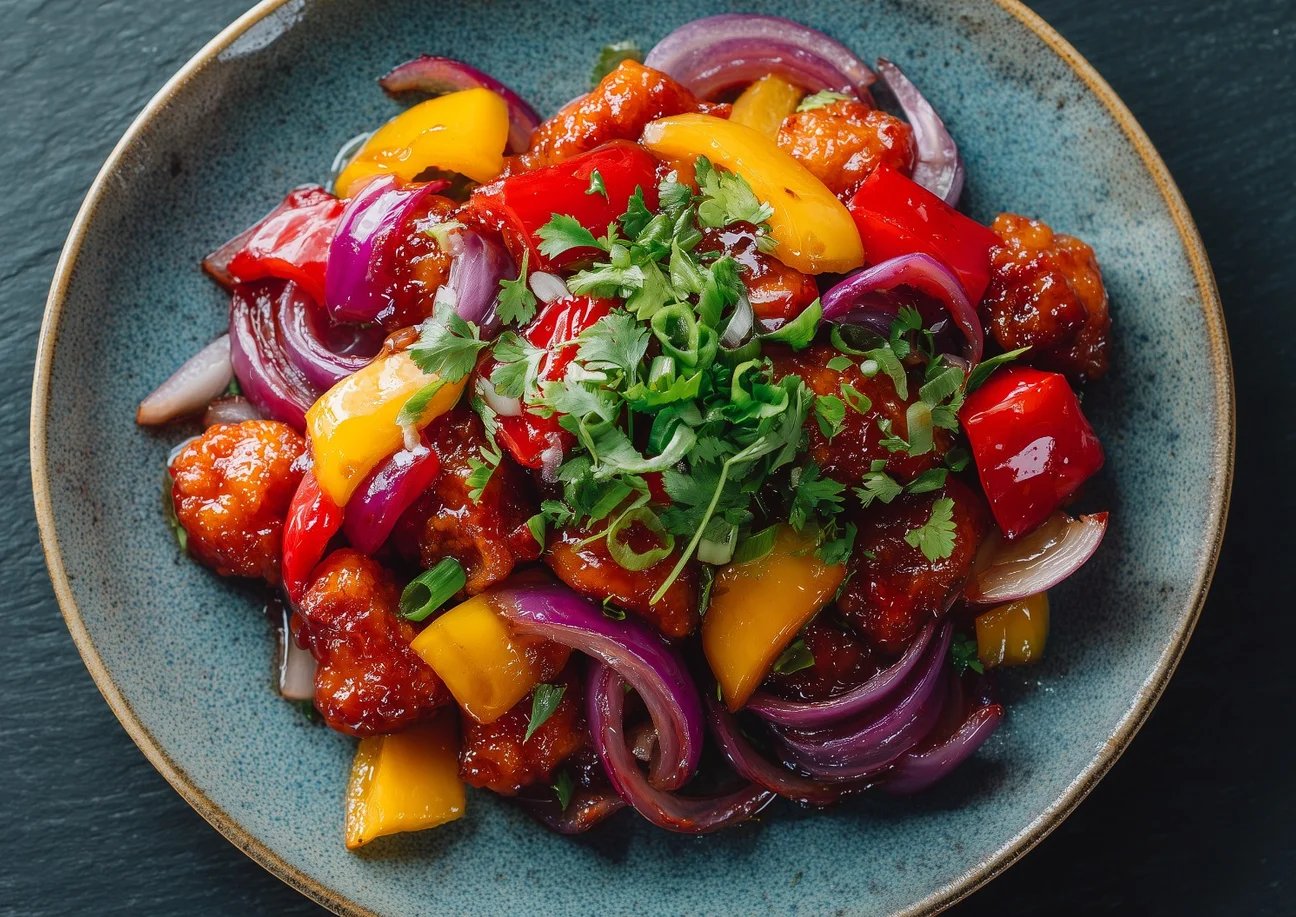
Sweet and Sour Chicken
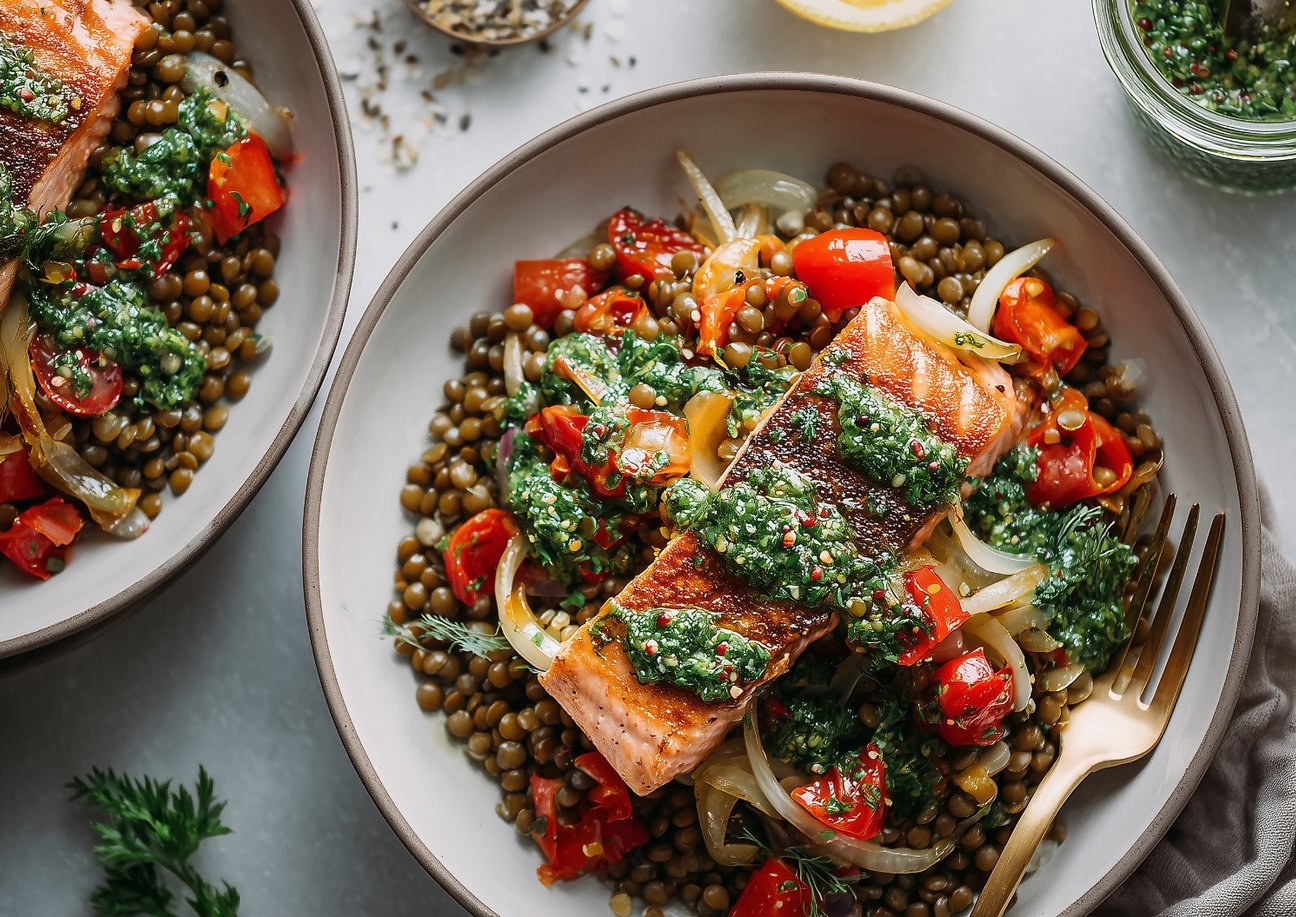
Lentil Bowl with Salmon
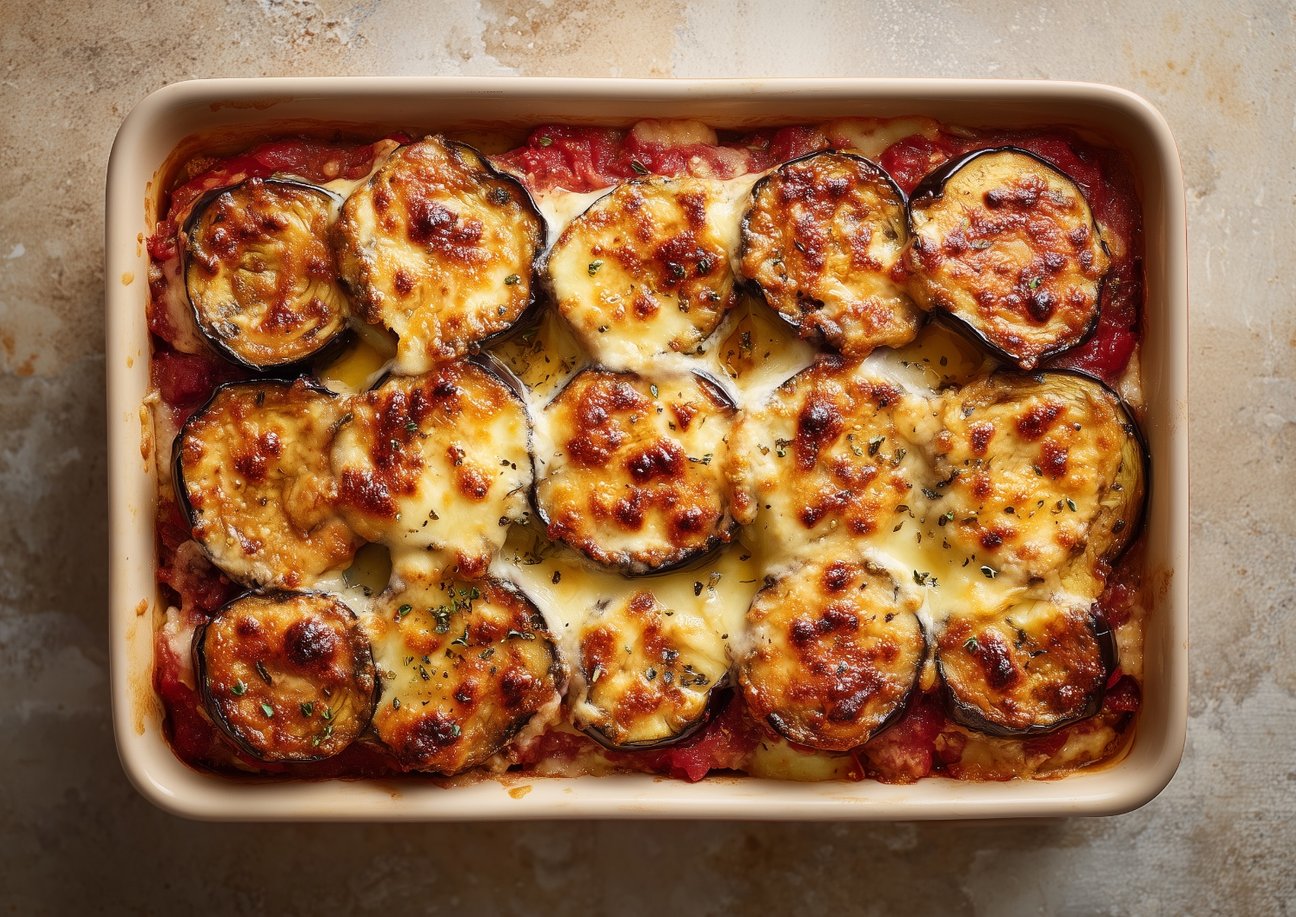
Beef and Eggplant Lasagna

Zucchini Risotto with White Fish

Berry Coconut Yogurt Parfait
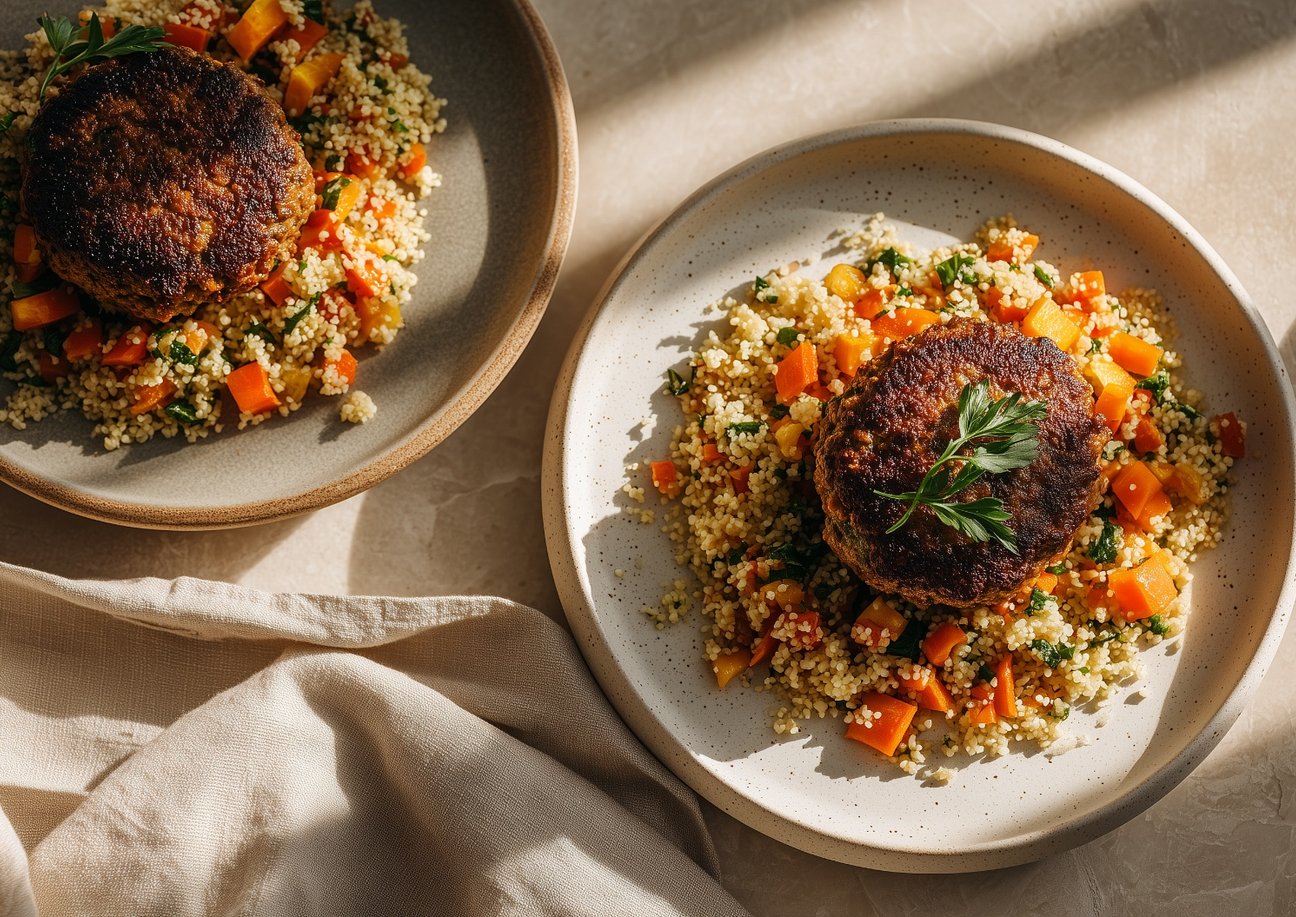
Beef Patty with Bulgur
Recipes from the Promealplan library (1,000+ dietitian-crafted recipes).
3. Automatic grocery list
The grocery list is often underestimated, yet it is the feature your clients use the most. A 7-day meal plan generates between 45 and 99 items depending on complexity. Consolidating those ingredients by hand takes 30 to 45 minutes. With software, it is instant and organized by aisle (produce, proteins, dairy, pantry staples).
4. Nutritional breakdown by day and by meal
Your clients want to see their macros. Not just a daily total, but the breakdown for each individual meal so they can balance their day. A professional meal plan shows protein, carbs, fat, and calories for every meal, along with a daily summary confirming the targets are met.
Meal plans by client goal
Every client walks in with a different objective. Here is how to structure your meal plans for the four most common coaching scenarios.
Weight loss meal plan
This is the most common scenario (roughly 60% of clients). The goal is a moderate calorie deficit while maintaining adequate protein intake to preserve lean muscle mass. Plans typically fall between 1,400 and 1,800 kcal/day. For ready-made starting points, see the 1,300-calorie template for aggressive deficits and the 1,600-calorie template for active clients.
Real example: 1,566 kcal/day
3 meals · 89g protein · 172g carbs · 63g fat · 27g fiber
94 grocery items for 7 days


Muscle gain meal plan
Clients in a bulking phase need a calorie surplus with high protein and carbohydrate intake. The number of meals typically increases to 4 or 5 so they can hit their calorie targets without digestive discomfort. For higher-surplus examples, see the 3,000-calorie template and the 3,500-calorie template.
Real example: 2,150 kcal/day
5 meals · 108g protein · 243g carbs · 83g fat · 32g fiber
67 grocery items for 7 days

Athletic performance meal plan
Athletes and active clients need a performance-focused plan with high protein, strategic carb timing around workouts, and attention to recovery. Macros are adjusted based on training intensity and frequency.
Real example: 1,991 kcal/day
4 meals · 140g protein · 185g carbs · 77g fat · 22g fiber
90 grocery items for 7 days
Meal plans with dietary restrictions (vegetarian, gluten-free, dairy-free)
Building a meal plan with dietary restrictions is the most complex scenario when done by hand. Hitting 120g of protein on a vegetarian plan or guaranteeing every recipe is gluten-free requires a reliable food database. This is where meal planning software becomes essential: it automatically filters recipes by restriction and ensures macro targets are still met.
Creating meal plans: manually or with software?
Most coaches start with Excel, Google Sheets, or a Word document. That workflow works with 1 to 3 clients, but it falls apart beyond that. Here is a realistic comparison:
| Spreadsheet / Word | Dedicated software | |
|---|---|---|
| Time per plan | 2 to 4 hours | Under 5 minutes |
| Macro calculations | Manual (error-prone) | Automatic and precise |
| Dietary restrictions | Manual substitutions | Automatic filtering |
| Recipe photos | Source them yourself | Included (400+ recipes) |
| Grocery list | Manual consolidation | Generated automatically |
| Client delivery | Basic PDF via email | White-label PDF + mobile portal |
| Scalability | 3 to 5 clients max | 5 to 50 plans/month |
Bottom line: if you create more than 3 plans per month or offer nutrition as a paid service, the time savings from software pay for themselves in the first week. A plan that used to take 3 hours now takes under 5 minutes.
How to deliver meal plans to your clients
The delivery format directly affects client adherence. A plan they never open is a plan that does not work.
White-label PDF
The industry standard. A PDF featuring your logo, detailed recipes, per-meal macros, and the grocery list. Easy to share via email or messaging apps, viewable on any device.
Branded mobile client portal
The premium experience. Your clients access their meal plan, interactive recipes, and grocery list right from their phone. Everything is under your brand, with no mention of the software behind it.
Client intake form
Before building a plan, collect the essentials from your client: goals, dietary restrictions, preferences, and preferred number of meals. A structured intake form eliminates back-and-forth and saves you time.
How to monetize your meal plans
A meal plan is not just a document. It is a service you can charge for, whether as an add-on to your coaching or as a standalone offering.
As a coaching add-on. Bundle a meal plan into your monthly coaching package. Clients perceive more value, and you can increase your price without doubling your workload. Coaches who add nutrition charge an average of 30 to 50% more.
As a standalone service. Offer meal plans as an independent product, priced between $50 and $150 depending on the level of customization. This model works especially well for dietitians and nutritionists.
For gym owners. Offer a nutrition service to your members. It is a powerful retention tool and a new revenue stream. Gyms that add nutrition see a significant reduction in member churn.
For a detailed pricing guide, check out our guide to selling meal plans online.
Related articles
Frequently asked questions
What is a professional meal plan?
How long does it take to create a client meal plan?
Can a fitness coach create meal plans for clients?
How do you personalize a meal plan for each client?
What is the best format for delivering a meal plan?
How much should you charge for a meal plan as a coach?
Create your first meal plan in 5 minutes
The best coaches do not spend hours in spreadsheets. They use software that generates personalized, branded meal plans in minutes. 1,000+ dietitian-crafted recipes, automatic macro calculations, grocery lists, and a client portal included.
Ready to level up your meal plans?
Free plan available. No credit card required.
Create 3 free meal plans →